Download the Student Guide (PDF)
What strengths shape our lives?
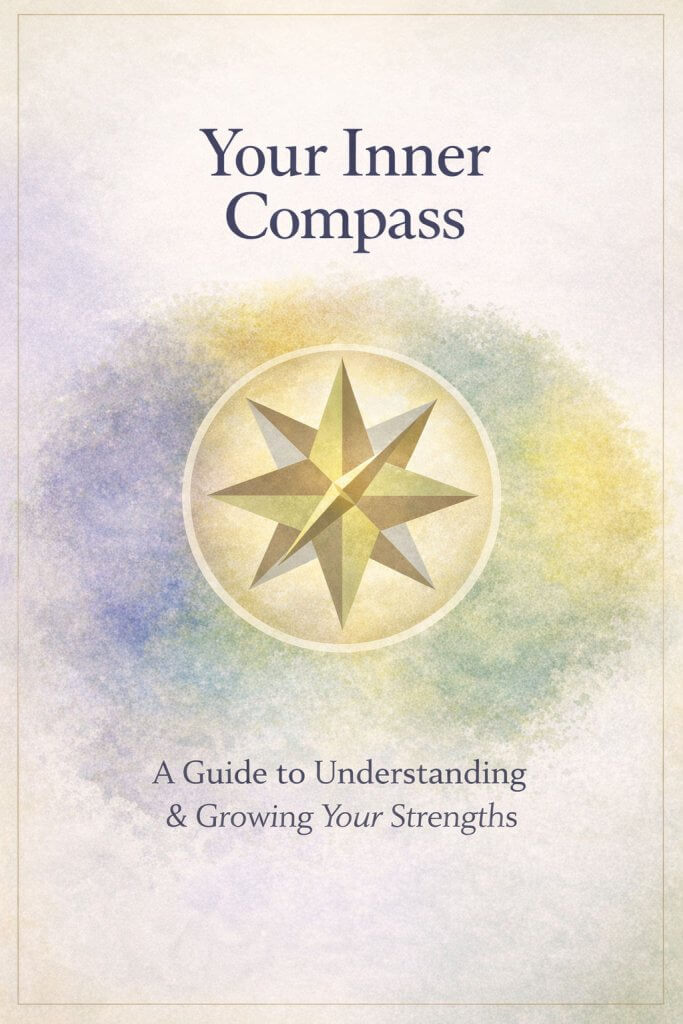
Your Inner Compass is a student guide designed to help young people ages 12-17 explore the inner strengths that support learning, resilience, relationships, and personal growth. Rooted in positive youth development research, this guide introduces eight essential strengths—curiosity, resilience, sociability, self-awareness, integrity, resourcefulness, creativity, and empathy—and invites thoughtful reflection through accessible explanations and guided prompts.
Whether used independently or in conversation with others, Your Inner Compass provides language for understanding development from the inside out.
For Students
If you are between the ages of 12 and 17, this guide was created especially for you. It will help you reflect on how you learn, how you respond to challenges, and how your inner strengths shape your choices and relationships.
You can read it on your own, use it for writing assignments, or return to different strengths as you grow. There are no grades attached — only opportunities for deeper understanding. Download the Student Guide (PDF)
For Educators
Your Inner Compass can be integrated into advisory periods, social-emotional learning blocks, writing assignments, and classroom discussion. Each strength includes reflection prompts that support meaningful conversation and personal growth.
For practical suggestions on how to introduce and use the guide in classroom settings, see the companion resource: Classroom Implementation Guide for Educators (PDF).
For a deeper exploration of the research and developmental framework behind the Compass model, see: Student Success from the Inside Out: An Educator’s Guide to Cultivating Essential Inner Strengths in Every Child.
For Parents
Adolescence is a period of rapid growth. Your Inner Compass offers a constructive way for young people to reflect on the strengths that support resilience, integrity, empathy, and decision-making.
Parents may wish to:
♦ Invite their adolescent to read a section independently
♦ Discuss one strength at a time
♦ Share examples of strengths they notice in their child
♦ Reflect together on how strengths develop through challenges
Used thoughtfully, the guide can open meaningful conversations about growth, responsibility, and identity.